
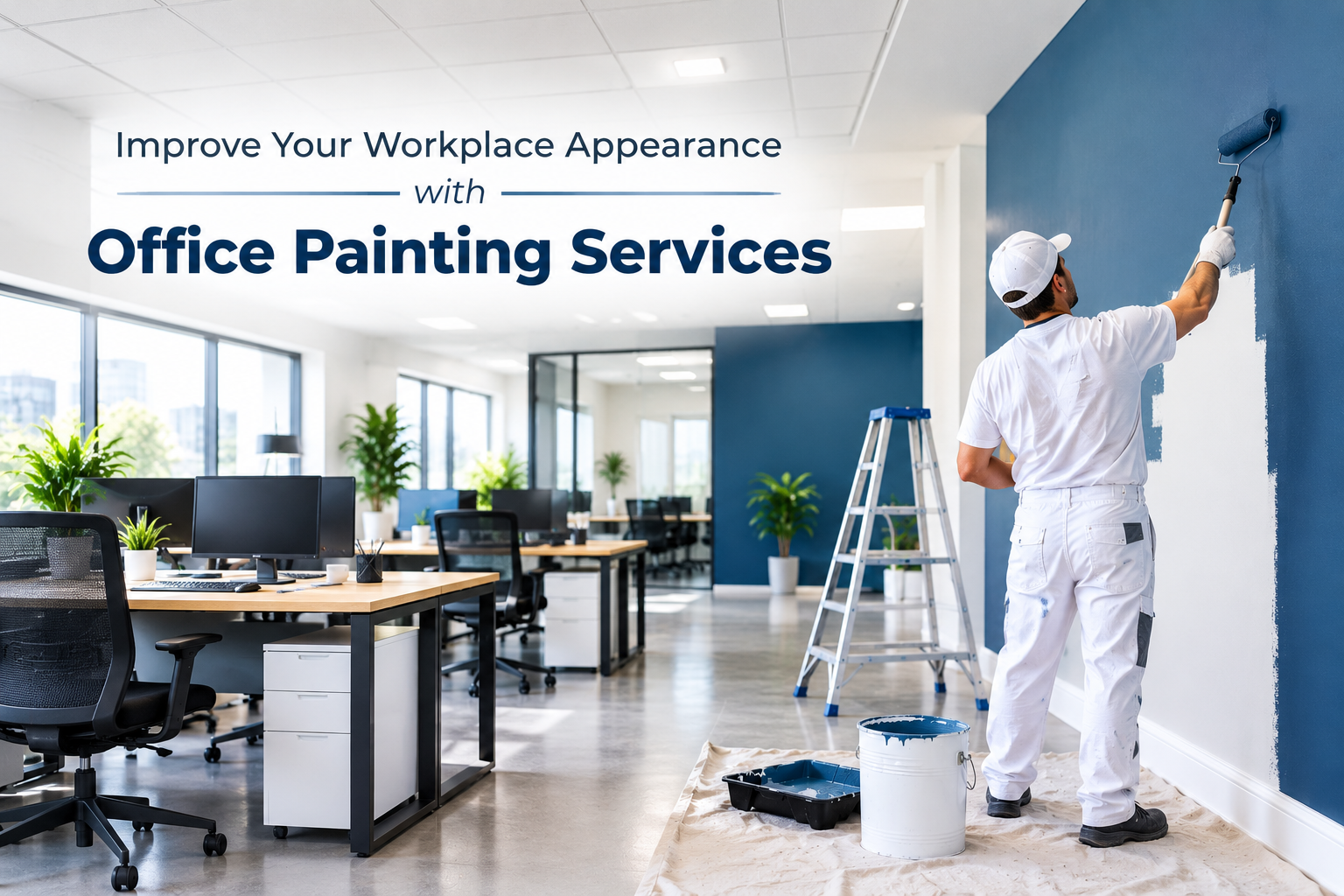
Walk into any office, and you form an opinion in about ten seconds. Before anyone says hello, the walls have already spoken. Scuffed corners, faded colors, and tired paint tell clients that no one is paying attention. Fresh, clean, well-chosen color tells them the opposite. That is why more office managers are turning to professional office painting services to refresh their space. A new coat of paint is one of the fastest, most affordable ways to change how your workplace looks and feels.
We are PPS Painting, and we paint offices every day. We know that an office is not a home. You have employees to keep productive, clients to impress, and a schedule that cannot stop. In this guide, we explain how we approach workplace painting, what you should expect from a professional team, and how to plan a project that goes smoothly from the first walkthrough to the final touch-up.
Why Your Office Paint Matters More Than You Think
Paint is easy to ignore until it looks bad. But walls cover more surface area than almost anything else in your office, so they shape the whole impression of your business.
Here is what a well-done paint job can do for you:
-
Make a strong first impression. Clients and visitors judge your business quickly. Clean walls say you are professional and detail-minded.
-
Lift employee morale. People work better in a space that feels fresh and cared for.
-
Support your brand. The right colors reinforce your identity every time someone walks in.
-
Protect your property. Quality paint seals surfaces and guards against moisture, stains, and wear.
-
Add value. A well-kept interior helps with lease renewals, resale, and tenant appeal.
-
Hide years of wear. Scuffs from chairs, carts, and busy hallways disappear under a clean finish.
Think of paint like a suit for your building. You would not go to an important meeting in wrinkled clothes, and your office should not meet clients in tired walls either.
Signs It Is Time to Repaint Your Office
Not sure if your walls need attention? Here are the signs we look for when we walk into a workplace:
-
Scuffs, scrapes, and fingerprints that no longer wipe clean
-
Faded or yellowing walls, especially near windows
-
Peeling, bubbling, or cracking paint
-
Water stains or mildew spots
-
Dated colors that no longer match your brand
-
Patches from past repairs that never quite blended in
-
A recent move, renovation, or new tenant
-
Plans to host clients, investors, or a big event
If you spot two or more of these, it is probably time to call a professional.
How Color Affects the Way Your Team Works
Color is not just decoration. It influences mood, focus and energy, and choosing wisely can help your team do their best work.
-
Blue and soft green feel calm and focused. They suit desk areas, conference rooms and quiet zones.
-
Warm neutrals such as beige, taupe and greige feel welcoming and professional. They work almost anywhere.
-
Light gray and white feel clean, modern, and bright. They make small rooms feel larger.
-
Yellow and orange accents add energy. They work best in break rooms, collaboration areas, and creative spaces.
-
Deep navy, charcoal, and forest green feel bold and sophisticated. They are great for accent walls in lobbies and executive offices.
A good rule is to use calm, light colors for large areas and save bold colors for accents. If your company has brand colors, we can work them into the design through feature walls, signage areas, and trim, so your space feels connected to your identity without becoming overwhelming.
Where Painting Makes the Biggest Difference
Every area of an office plays a different role. Here is how we think about the main spaces.
Reception and Lobby
This is your first impression, so it deserves the most attention. A clean, bright finish with a well-placed accent wall sets the tone for your whole business.
Open Work Areas
These spaces need colors that keep people comfortable all day. Soft, light shades reduce eye strain and make the room feel open.
Private Offices
Executives and managers often prefer a warmer, more personal feel. Subtle accent walls add character without distracting from work.
Conference Rooms
Meeting spaces should feel polished and focused. Neutral tones with one strong wall create a professional backdrop for presentations and video calls.
Break Rooms and Kitchens
These areas benefit from cheerful, easy-to-clean finishes. We often recommend durable, scrubbable paint here, since spills and splashes are part of daily life.
Restrooms
Moisture and heavy traffic call for mildew-resistant, washable paint. A fresh finish here makes a bigger impression than most people expect.
Hallways and Stairwells
These high-traffic areas take the most abuse. Tough, scuff-resistant paint keeps them looking sharp for longer.
Exterior Doors, Trim and Entrances
If your office has an exterior entrance, a clean door and trim help your building look cared for from the curb.
Choosing the Right Paint for a Commercial Space
Not all paint is the same, and the wrong product can lead to early wear. Here is what we consider when choosing paint for a workplace.
Durability
Offices see constant traffic. We use commercial-grade paints that stand up to scuffs, cleaning, and daily use.
Finish
-
Flat or matte hides wall flaws and gives a soft, modern look. It is best for low-traffic areas and ceilings.
-
Eggshell has a slight glow and cleans better. It is a popular choice for offices and conference rooms.
-
Satin is durable and easy to wipe. It suits hallways, break rooms, and busy spaces.
-
Semi-gloss is highly washable. We use it on trim, doors, and restrooms.
Low-VOC and Low-Odor Options
Fumes can distract and bother people in a working office. We use low-VOC or zero-VOC paints that dry with minimal smell, so your team can return to work comfortably, and indoor air quality stays healthy.
Washability and Stain Resistance
Paints that resist stains and clean easily save you money on touch-ups. They are especially helpful in kitchens, restrooms, and busy corridors.
How We Paint Without Stopping Your Business
The biggest worry we hear from office managers is disruption. You cannot shut down for a week, and you should not have to. Here is how we plan around your schedule.
Phased Painting
For larger offices, we paint one zone at a time. Staff can shift to another area while we finish one section, and the whole office is done without a single lost day.
Protecting Your Property
We cover floors, furniture, equipment, and fixtures with drop cloths and plastic sheeting. Computers, servers, and sensitive equipment get extra care.
Clean, Safe Job Sites
We keep tools, ladders, and supplies organized and out of walkways. Wet paint signs and clear barriers keep your team and visitors safe.
Fast-Drying Products
When the schedule is tight, we choose products that dry quickly, so rooms are ready for use sooner.
Daily Cleanup
At the end of each shift, we clean up so your space looks tidy and professional when people arrive.
Our Step-by-Step Office Painting Process
We believe in clear communication, so here is how a typical project works with our team.
Step 1: Walkthrough and Consultation
We visit your office, listen to your goals, and look at the condition of the walls. We note the size of the space, the number of rooms, and any special needs.
Step 2: Detailed Proposal
You receive a clear written quote that covers the scope of work, materials, timeline, and cost. There are no surprises.
Step 3: Color Selection
We help you choose colors that match your brand and suit each space. We can provide samples, so you can see them in your own lighting before you decide.
Step 4: Scheduling
We build a schedule around your operations, with work planned for the least disruptive times.
Step 5: Preparation
Good paint jobs begin with good prep. We move or cover furniture, protect floors, repair holes and cracks, sand rough areas, clean surfaces, and tape edges for crisp lines.
Step 6: Priming and Painting
We prime where needed, then apply smooth, even coats. We take our time on edges, corners, and trim, because those details show the quality of the work.
Step 7: Inspection and Touch-Ups
We walk the space with you, check every wall, and fix anything that is not perfect.
Step 8: Final Cleanup
We remove all coverings, clean the area, and leave your office ready for work.
Why Professional Office Painters Beat the DIY Route
Some businesses think about painting the office themselves to save money. It rarely works out. Here is why hiring professionals pays off.
-
Speed. A trained crew finishes in a fraction of the time, so you are back to normal sooner.
-
Quality. Professionals deliver smooth finishes, clean lines, and consistent color across large areas.
-
Less disruption. We plan around your schedule, so your team stays productive.
-
Proper prep. Most paint failures come from poor prep. We know how to do it right.
-
Safety. We handle ladders, lifts, and high ceilings with the right equipment and training.
-
Insurance and protection. Licensed and insured contractors protect your property and your liability.
-
Lasting results. The right materials and methods mean your walls look good for years.
Employees are great at their jobs, and painting is not usually one of them. Leave it to a team that does it every day.
What to Look for in Corporate Painting Contractors
Choosing the right team matters as much as choosing the right color. When you compare corporate painting contractors, look for these qualities:
-
Commercial experience. Offices have different needs from homes, and experience shows.
-
License and insurance. These protect you if anything goes wrong.
-
Clear, written estimates. You should know exactly what is included.
-
A flexible schedule. Good contractors work around your business hours.
-
References and a portfolio. Past work tells you what to expect.
-
Safety standards. A professional team follows safe practices on every job.
-
Good communication. You should get quick answers and regular updates.
-
A guarantee. Reliable contractors stand behind their work.
Finding Office Painters Near Me: What Local Experience Offers
When you search for office painters near me, you are looking for more than a nearby address. Local teams know the area, its building types, and its climate. They can reach your site quickly, respond fast if something comes up, and build lasting relationships with the businesses they serve.
A local crew also has a reputation to protect. Your neighbors, partners, and peers are likely to see our work, so we make sure every job reflects well on us. If you are searching for a trusted partner for workplace painting, ask about local projects they have completed and speak with their past clients.
How a Fresh Paint Job Improves the Customer Experience
Your walls speak to customers long before your staff does. A clean, welcoming space builds trust, and it helps people feel comfortable doing business with you.
Customers notice details such as:
-
Whether the reception area feels bright and inviting
-
Whether walls are clean and free of marks
-
Whether colors feel modern and consistent
-
Whether the space feels cared for
These details shape how people judge your professionalism. To see how this works in more depth, read our article on how commercial painting services improve customer experience.
How to Prepare Your Office for Painting
A little preparation on your side helps the project run smoothly.
-
Pick a point person. One contact person keeps communication simple.
-
Tell your team early. Let employees know the dates and any areas that will be affected.
-
Clear personal items. Ask staff to move small items, photos, and documents off desks and walls.
-
Back up your data. If we will be working near computers, a quick backup is a smart precaution.
-
Plan parking and access. Let us know about loading areas, elevators, and building rules.
-
Check lease requirements. Some leases require approved colors or written permission before painting.
-
Decide on your colors. Early decisions keep the schedule on track.
Keeping Your Office Paint Looking Great
After the project, a few simple habits help your paint last.
-
Wipe marks quickly. Spills and scuffs are easier to clean when they are fresh.
-
Use gentle cleaners. Harsh chemicals can dull the finish.
-
Keep leftover paint. Store a labeled can for small touch-ups.
-
Add wall guards. Corner guards and chair rails protect busy areas.
-
Schedule regular check-ups. Small repairs now prevent bigger jobs later.
What Affects the Cost of Office Painting
Every project is different, and the final price depends on several factors:
-
Size of the space. More square footage means more materials and labor.
-
Wall condition. Walls that need patching, sanding, or priming take longer.
-
Ceiling height. High ceilings may need lifts or scaffolding.
-
Number of colors. Accent walls and detailed designs add time.
-
Paint type and finish. Premium and specialty paints cost more.
-
Schedule. After-hours or rush work may carry extra costs.
-
Furniture and equipment. Rooms that need lots of moving or covering take more time.
We provide clear, itemized quotes so you can compare options and plan your budget with confidence.
Conclusion: A Fresh Coat Says a Lot About Your Business
Your office is more than four walls. It is the place where your team does its best work and where clients decide whether to trust you. A professional paint job brightens the space, lifts morale, protects your investment, and shows the world that you take pride in your business. With the right planning, the right colors, and the right crew, it can all happen without slowing you down.
If you are ready to refresh your workplace, we would love to help. Contact PPS Painting today to schedule a walkthrough, and let our team show you how our office painting services can transform your space with minimal disruption to your day.
Frequently Asked Questions
1. What are office painting services?
Office painting services are professional painting solutions for workplaces, including walls, ceilings, trim, doors, and common areas. They are designed to deliver a clean, durable finish with minimal disruption to your business.
2. How long does it take to paint an office?
It depends on the size and condition of the space. Small offices may take a day or two, while larger ones can take a week or more. We plan the timeline carefully and work in phases when needed.
3. Can you paint while employees are working?
Yes, in many cases. We can work after hours, on weekends, or in sections, so your team stays productive. Low-odor paints make daytime work more comfortable.
4. Is the paint safe for people in the workplace?
We use low-VOC and zero-VOC paints that have minimal odor and meet strong indoor air quality standards. This helps your team return to work comfortably.
5. How often should I repaint my office?
Most offices benefit from a fresh coat every five to seven years. High-traffic areas such as hallways, lobbies, and break rooms may need attention every three to five years.
6. How do I choose the right colors for my office?
Think about your brand, the mood you want, and how each room is used. Calm, light shades suit work areas, and bolder colors work well as accents. We can help with samples and suggestions.